
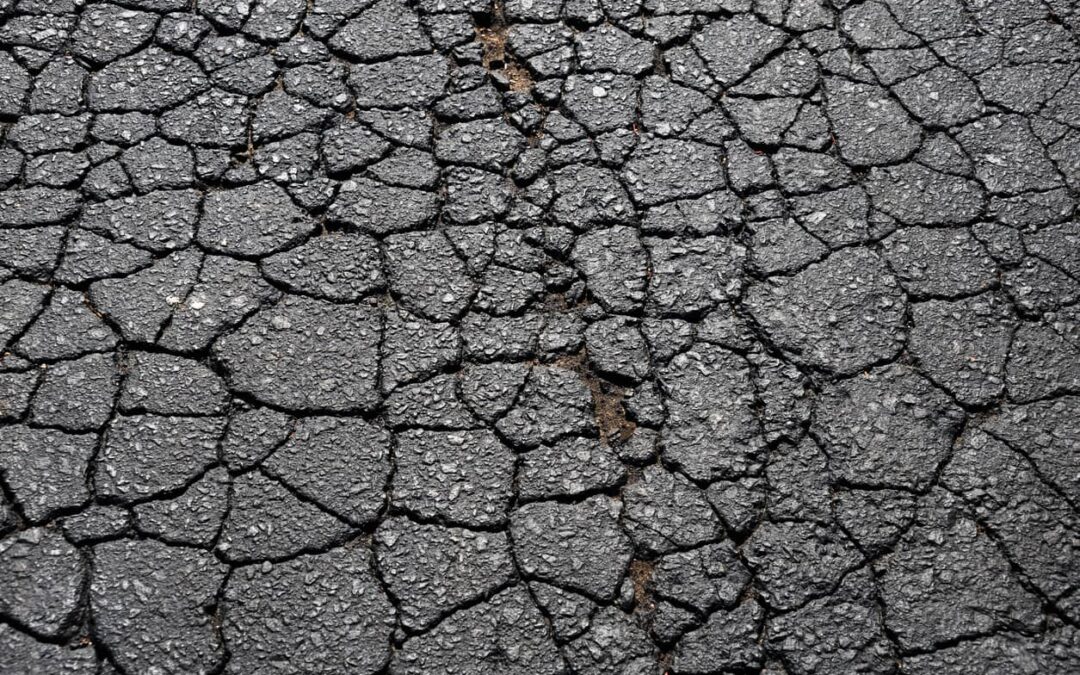
Alligator cracking is one of the most serious types of asphalt damage homeowners can experience in a driveway. If left untreated, it can quickly spread, weaken the pavement, and eventually lead to expensive repairs or full driveway replacement.
Many homeowners in Colorado Springs and Monument notice groups of interconnected cracks forming across their driveway surface without realizing what they actually mean. While small cracks are often part of normal asphalt aging, alligator cracking usually points toward deeper structural problems underneath the pavement.
Colorado’s freeze-thaw cycles, moisture intrusion, shifting temperatures, and drainage challenges can all accelerate the development of this type of damage.
At E&K Paving, we help homeowners identify early signs of asphalt deterioration and determine whether repair, resurfacing, or replacement makes the most sense for long-term driveway performance.
Quick Overview
- Alligator cracking refers to interconnected cracks that resemble reptile skin
- This type of cracking usually signals structural failure beneath the asphalt
- Water intrusion and weak foundations are common causes
- Colorado freeze-thaw cycles often accelerate the damage
- Small surface repairs may not solve the underlying issue
- Early detection can help reduce larger repair costs later
What Is Alligator Cracking?
Alligator cracking, sometimes called crocodile cracking, is a pattern of interconnected cracks that forms across the asphalt surface and resembles the scales of an alligator or reptile skin.
Unlike isolated cracks that develop from normal surface aging, alligator cracking typically indicates the asphalt structure underneath the pavement is beginning to fail.
The cracks often begin small but gradually spread outward over time. As the pavement weakens, sections of asphalt may begin breaking apart, sinking, or forming potholes.
In residential driveways, alligator cracking commonly develops in:
- high-traffic areas
- sections with poor drainage
- areas exposed to repeated heavy loads
- older asphalt surfaces
- locations with weakened foundations
What Causes Alligator Cracking in Asphalt?
Alligator cracking rarely develops because of one single issue. In most cases, it is caused by a combination of structural stress, moisture intrusion, and pavement deterioration over time.
Weak Foundation Beneath the Asphalt
One of the most common causes of alligator cracking is failure in the base underneath the driveway.
Asphalt depends heavily on a stable and properly compacted foundation. If the base begins weakening, shifting, or eroding, the asphalt above it loses support and starts cracking under pressure.
A weakened base may develop because of:
- poor installation
- improper compaction
- soil movement
- erosion
- long-term moisture exposure
Once the structural integrity underneath the pavement begins failing, surface cracking usually follows.
Water Intrusion
Water is one of asphalt’s biggest enemies.
When moisture penetrates small cracks in the surface, it gradually weakens the materials underneath the pavement. Over time, this softens the base and contributes to structural instability.
Drainage problems often make this issue significantly worse. Standing water, poor grading, runoff, and melting snow can all allow moisture to remain trapped beneath the asphalt for extended periods.
How Colorado Weather Accelerates Asphalt Damage
Colorado’s climate creates ideal conditions for alligator cracking to spread faster.
Throughout Colorado Springs and Monument, asphalt surfaces experience:
- freeze-thaw cycles
- rapid temperature swings
- snow and ice buildup
- spring runoff
- intense UV exposure at elevation
When water enters the asphalt and freezes, it expands beneath the surface. As temperatures warm again, the ice melts and contracts. This repeated movement gradually weakens the pavement structure over time.
In Colorado, even relatively small asphalt issues can worsen quickly if moisture intrusion is not addressed early.
Heavy Vehicle Traffic
Repeated heavy loads can also contribute to alligator cracking.
Residential driveways are typically designed for standard passenger vehicles. When asphalt is repeatedly exposed to excessive weight from:
- RVs
- trailers
- delivery trucks
- work vehicles
- construction equipment
the pavement experiences additional stress that can accelerate structural cracking, especially if the base underneath is already compromised.
Aging Asphalt
As asphalt ages, it naturally becomes more brittle and less flexible.
Over time, oxidation caused by UV exposure dries out the asphalt surface, making it more vulnerable to cracking under pressure and temperature changes.
Older driveways that have not been regularly maintained often become more susceptible to alligator cracking as the surface weakens year after year.
What Alligator Cracking Usually Looks Like
Alligator cracking typically appears as a network of connected cracks that form irregular shapes across the pavement surface.
Unlike long straight cracks or small isolated surface cracks, alligator cracking often develops in concentrated areas where the pavement structure is failing underneath.
| Type of Asphalt Crack | Common Cause | Severity Level |
|---|---|---|
| Hairline Cracks | Surface aging and oxidation | Low |
| Edge Cracks | Poor edge support or drainage | Moderate |
| Transverse Cracks | Freeze-thaw movement | Moderate |
| Longitudinal Cracks | Pavement stress or installation issues | Moderate |
| Alligator Cracking | Structural base failure | High |
As the damage progresses, homeowners may also begin noticing:
- loose asphalt pieces
- potholes
- sinking pavement
- rough driving surfaces
- standing water
- widespread deterioration
Can Alligator Cracking Be Repaired?
The answer depends on how severe the damage has become.
If the cracking is relatively minor and caught early, some localized repairs may still be possible. However, because alligator cracking often points toward structural failure underneath the pavement, surface patching alone may not fully solve the issue.
In many cases, simply filling the visible cracks will not stop the damage from returning if the underlying base remains unstable.
Repair options may include:
- patching damaged sections
- removing failed asphalt areas
- correcting drainage problems
- rebuilding portions of the base
- resurfacing
- full replacement in severe cases
The right solution depends on how widespread the damage is and whether the foundation underneath the driveway is still structurally sound.
Why Surface Repairs Sometimes Fail
One of the biggest mistakes homeowners make is treating alligator cracking like a simple cosmetic issue.
Surface-level repairs may temporarily improve appearance, but if water intrusion or structural instability underneath the asphalt is not addressed, the cracking often returns quickly.
This is especially common in Colorado where freeze-thaw cycles continue stressing already weakened pavement during winter months.
Long-term repair success usually depends on identifying and correcting the root cause of the failure rather than only repairing the visible surface damage.
How to Help Prevent Alligator Cracking
While no asphalt surface lasts forever, proper maintenance can significantly reduce the risk of severe structural cracking.
Address Small Cracks Early
Minor cracks allow water to penetrate beneath the surface. Early crack repair helps reduce moisture intrusion before larger structural damage develops.
Maintain Proper Drainage
Good drainage helps prevent water from weakening the base underneath the driveway.
Seal Coat the Asphalt
Seal coating helps protect asphalt from UV damage, oxidation, and moisture penetration.
Avoid Excessive Weight
Repeated heavy vehicle traffic can place additional stress on the pavement and accelerate structural deterioration.
Schedule Routine Inspections
Periodic evaluations can help identify early warning signs before widespread damage develops.
When It May Be Time for Replacement
In some situations, alligator cracking may indicate the driveway has reached the point where replacement becomes the most cost-effective long-term solution.
Replacement may become necessary if:
- cracking is widespread
- potholes continue forming
- the foundation is failing
- drainage issues are severe
- repairs repeatedly fail
- large sections of pavement are unstable
A professional inspection can help determine whether repair or replacement makes the most sense based on the overall condition of the driveway.
Asphalt Solutions Built for Colorado Conditions
Alligator cracking is one of the clearest signs that an asphalt driveway may be experiencing deeper structural problems beneath the surface. Identifying the issue early can help homeowners avoid more extensive and expensive damage later on.
At E&K Paving, we provide residential asphalt paving, repair, resurfacing, and seal coating services throughout Colorado Springs, Monument, and surrounding communities. Whether your driveway has isolated cracking or widespread pavement deterioration, our team can help evaluate the condition of the asphalt and recommend the right long-term solution for Colorado conditions.