
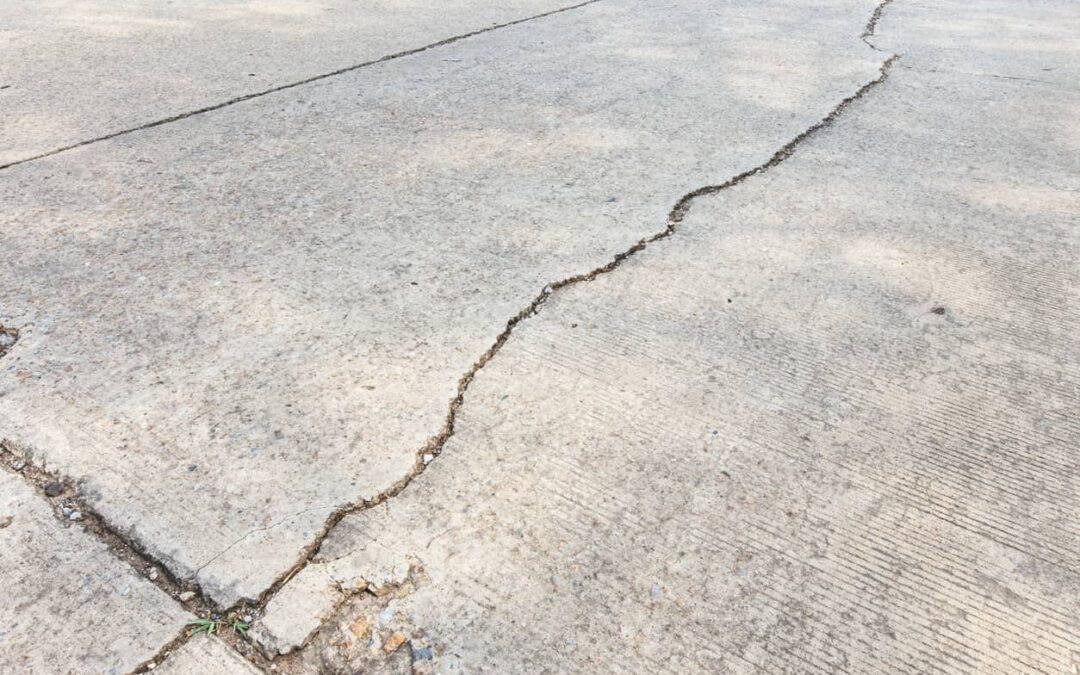
If you have lived in more than one part of the country, you may have noticed that asphalt driveways in Colorado seem to crack faster than driveways in many other regions. This is not just a coincidence.
Colorado’s climate combines several factors that are particularly hard on asphalt, and when those factors stack together, they accelerate cracking in ways that homeowners in milder climates rarely have to think about.
At E&K Paving, we work on driveways throughout Colorado Springs and Monument every day, and we see firsthand how these climate conditions affect asphalt differently than they would in other parts of the country.
Quick Overview
- Colorado experiences more freeze-thaw cycles per winter than many other states
- High elevation means more intense UV exposure, which speeds up asphalt aging
- Daily temperature swings of 30 to 40 degrees are common and stress pavement repeatedly
- Low humidity and intense sun dry out asphalt binder faster than in wetter climates
- Combined, these factors mean Colorado asphalt often needs maintenance more frequently than asphalt in milder regions
More Freeze-Thaw Cycles Than Most Climates
In many parts of the country, winter means a few months of consistent cold, followed by a few months of consistent warmth. Asphalt freezes once in the fall and thaws once in the spring, with relatively few cycles in between.
Colorado does not work that way.
In Colorado Springs and Monument, it is common to see temperatures drop below freezing overnight and climb back above freezing during the day, sometimes for weeks at a time, even outside of the coldest months. Each one of these cycles gives moisture trapped in the asphalt another chance to freeze, expand, and stress the pavement.
Instead of a handful of freeze-thaw cycles each year, Colorado asphalt can experience dozens. Over several years, this repeated stress adds up much faster than it would in a climate with a more stable winter pattern.
High Elevation Means More Intense UV Exposure
Elevation plays a bigger role in asphalt performance than most homeowners realize.
At higher elevations, there is less atmosphere to filter ultraviolet radiation from the sun. Colorado Springs sits at roughly 6,000 feet, and Monument is even higher, which means asphalt surfaces in this area are exposed to noticeably stronger UV radiation than asphalt at sea level.
UV exposure causes oxidation, a process where the oils in asphalt binder break down and evaporate over time. As the binder oxidizes, the asphalt becomes drier, harder, and more brittle.
Brittle asphalt does not flex the way newer, more flexible asphalt does. Instead of absorbing stress from temperature changes and traffic, it cracks under pressure. This is part of why cracking in asphalt driveways tends to show up sooner in high-elevation areas compared to lower-elevation regions with otherwise similar weather.
Dramatic Daily Temperature Swings
Colorado is known for its rapid weather changes, and asphalt feels every one of them.
It is not unusual for Colorado Springs and Monument to see a 60-degree afternoon followed by a freezing night, especially in the spring and fall. Asphalt expands when it warms and contracts when it cools, and these constant swings create ongoing stress on the pavement.
In climates with more gradual seasonal transitions, asphalt has more time to adjust slowly. In Colorado, the pavement is often expanding and contracting on a near-daily basis during shoulder seasons, which adds up to significantly more wear over the life of the driveway.
Low Humidity and Rapid Drying
Colorado’s dry climate affects asphalt in ways that are easy to overlook.
In more humid climates, moisture in the air can help slow down some of the drying and oxidation processes that affect asphalt binder. Colorado’s low humidity, combined with intense sun, means asphalt binder dries out faster.
This faster drying contributes to the same brittleness issue caused by UV exposure. Asphalt that dries out too quickly loses the flexibility it needs to handle temperature swings and traffic loads without cracking.
How These Factors Combine
No single factor explains why Colorado asphalt cracks faster. It is the combination that matters.
| Climate Factor | Effect on Asphalt |
|---|---|
| Frequent freeze-thaw cycles | Repeated expansion and contraction of moisture in cracks |
| High elevation and UV exposure | Faster oxidation and loss of flexibility |
| Large daily temperature swings | Constant expansion and contraction stress |
| Low humidity | Accelerated drying of asphalt binder |
A driveway that might show minor wear after ten years in a milder climate could show similar wear in noticeably less time in Colorado Springs or Monument, simply because of how often and how intensely these stresses occur.
What This Means for Maintenance
Because Colorado’s climate places more stress on asphalt, maintenance schedules that work elsewhere often need to be more frequent here.
Sealcoat More Frequently
Sealcoating helps protect the asphalt binder from UV exposure and slows oxidation. In Colorado’s climate, sealcoating on a regular schedule matters more than it might in a less demanding climate.
Address Cracks Quickly
Because freeze-thaw cycles happen so often here, small cracks have more opportunities to widen each year. Sealing cracks promptly helps limit how much moisture can get in before the next freeze.
Plan for Seasonal Maintenance
A year-round maintenance routine that accounts for Colorado’s seasonal extremes can help offset some of the additional wear caused by the climate.
Choose Asphalt Built for the Climate
Asphalt mix design and installation quality both play a role in how well a driveway holds up against Colorado’s conditions. A properly installed driveway with the right mix is better equipped to handle these stresses than one installed without Colorado’s climate in mind.
Asphalt Built and Maintained for Colorado’s Climate
Colorado’s combination of frequent freeze-thaw cycles, high elevation UV exposure, dramatic temperature swings, and dry conditions creates a uniquely demanding environment for asphalt driveways. Understanding why these factors accelerate cracking can help homeowners set realistic expectations and stay ahead of maintenance.
At E&K Paving, we install and maintain asphalt driveways throughout Colorado Springs and Monument with these climate factors in mind. Whether your driveway is showing early signs of cracking or you want to get ahead of Colorado’s tough conditions, our team can help recommend the right approach for your property.