
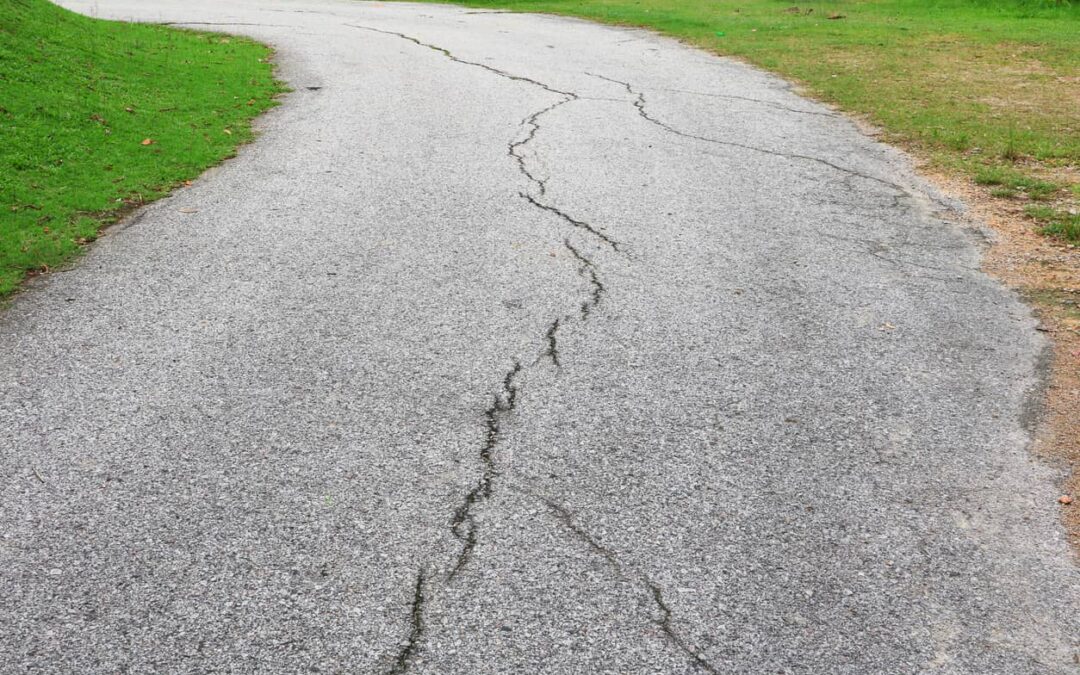
Cracks in asphalt driveways are extremely common throughout Colorado Springs, Monument, and the surrounding areas. In many cases, homeowners notice small cracks appearing seemingly out of nowhere, only to watch them gradually spread over time.
The reality is that asphalt cracking usually happens for a reason. Colorado’s climate, moisture exposure, drainage issues, aging pavement, and normal wear all play a role in how and why asphalt driveways begin deteriorating.
Some cracking is relatively minor and can often be repaired early. Other types of cracking may point toward deeper structural problems underneath the pavement.
At E&K Paving, we help homeowners throughout Colorado Springs and nearby communities identify asphalt issues early and recommend repair solutions designed for Colorado conditions.
Quick Overview
- Colorado freeze-thaw cycles are one of the leading causes of asphalt cracking
- Water intrusion beneath asphalt weakens pavement over time
- UV exposure at higher elevations accelerates asphalt deterioration
- Poor drainage and weak foundations can cause structural cracking
- Small cracks can quickly turn into larger repairs if ignored
- Early maintenance helps extend the lifespan of asphalt driveways
Why Asphalt Cracks Over Time
Asphalt is flexible compared to many paving materials, but it still expands, contracts, and weakens over time as it is exposed to weather and traffic.
Eventually, stress on the pavement causes the surface to crack.
Some cracking develops gradually from aging and oxidation, while other cracks form because of moisture intrusion, poor installation, drainage problems, or structural movement underneath the driveway.
The key is identifying what type of cracking is occurring and what may be causing it.
Freeze-Thaw Cycles in Colorado
Colorado’s freeze-thaw cycle is one of the biggest reasons asphalt cracks develop.
During colder months, moisture enters small openings in the pavement. When temperatures drop below freezing, the trapped water expands inside the asphalt. As temperatures warm again, the ice melts and contracts.
This repeated expansion and contraction gradually weakens the pavement and causes cracks to spread larger over time.
In areas like Colorado Springs and Monument, where temperatures can fluctuate rapidly, asphalt surfaces often experience this cycle repeatedly throughout the winter.
Even small cracks can grow quickly once moisture begins penetrating below the surface.
Water Intrusion Beneath the Asphalt
Water is one of asphalt’s biggest enemies.
Once moisture begins working its way underneath the pavement, it can weaken the base supporting the driveway and create larger structural issues over time.
Some common causes of water intrusion include:
- Small untreated cracks
- Poor drainage
- Pooling water
- Improper grading
- Runoff from landscaping or downspouts
As the base underneath the asphalt weakens, the pavement becomes more vulnerable to:
- Sinking
- Potholes
- Widespread cracking
- Surface separation
This is one reason why even small cracks should not be ignored for long.
UV Exposure and Oxidation
Colorado’s higher elevation exposes asphalt to stronger ultraviolet radiation compared to many lower-altitude areas.
Over time, UV exposure causes oxidation, which gradually dries out the asphalt surface and makes it more brittle.
As asphalt loses flexibility, it becomes more likely to crack under pressure from:
- Temperature changes
- Vehicle traffic
- Moisture expansion
- Surface movement
Oxidized asphalt often appears:
- Gray or faded
- Dry and rough
- Brittle or worn
Routine seal coating can help slow oxidation and protect the surface from premature aging.
Poor Drainage Problems
Drainage issues are one of the most overlooked causes of asphalt damage.
If water is consistently allowed to pool on or around the driveway, the pavement can deteriorate much faster than normal.
Some common drainage-related issues include:
- Standing water
- Erosion beneath driveway edges
- Improper slope or grading
- Water runoff from nearby landscaping
- Downspouts draining onto asphalt
Over time, excess moisture weakens the foundation beneath the pavement and contributes to cracking and structural failure.
In many cases, addressing drainage is just as important as repairing the asphalt itself.
Weak or Improper Base Installation
The strength of an asphalt driveway depends heavily on the condition of the base underneath it.
If the foundation was not properly prepared or compacted during installation, the driveway may begin cracking prematurely.
A weak base can lead to:
- Surface movement
- Sinking areas
- Structural cracking
- Uneven pavement
- Accelerated deterioration
Unfortunately, some driveway problems start below the surface long before visible damage appears on top.
Heavy Vehicle Traffic
Residential asphalt driveways are generally designed for normal passenger vehicles. Repeated exposure to heavy loads can place additional stress on the pavement and contribute to cracking.
Heavy traffic sources may include:
- RVs
- Trailers
- Work trucks
- Delivery vehicles
- Construction equipment
Over time, excess weight can weaken asphalt surfaces, especially if the base underneath is already compromised.
Aging Asphalt
All asphalt eventually ages.
As driveways get older, the asphalt naturally becomes less flexible and more vulnerable to cracking and moisture penetration.
Most asphalt driveways in Colorado typically last around 15 to 25 years depending on:
- Installation quality
- Maintenance
- Drainage
- Climate exposure
- Traffic load
Older driveways often require more frequent maintenance and repairs to remain functional.
Different Types of Asphalt Cracks
Not all cracks mean the same thing.
Understanding the type of cracking can help determine whether repairs or replacement may be needed.
Hairline Cracks
Small surface cracks are often early signs of aging or oxidation. These are usually easier and less expensive to repair when addressed early.
Edge Cracks
Cracks along the edges of the driveway are commonly caused by poor edge support, erosion, or drainage issues.
Longitudinal Cracks
These cracks run parallel with the driveway and may develop because of temperature changes, pavement movement, or improper installation.
Transverse Cracks
Cracks running across the driveway are often linked to freeze-thaw movement and temperature-related expansion and contraction.
Alligator Cracking
Alligator cracking refers to interconnected cracks that resemble reptile skin. This type of cracking often indicates structural failure beneath the pavement and may require more extensive repair or replacement.
How to Help Prevent Asphalt Cracking
While some aging is inevitable, homeowners can take several steps to help slow asphalt deterioration.
Seal Coat Regularly
Seal coating helps protect asphalt from UV exposure, moisture intrusion, and oxidation.
Repair Small Cracks Early
Addressing minor cracks early can help prevent water from penetrating beneath the pavement.
Improve Drainage
Proper drainage helps reduce moisture buildup underneath the driveway.
Avoid Excessive Weight
Repeated heavy vehicle traffic can accelerate wear and cracking.
Schedule Routine Maintenance
Professional inspections and maintenance can help identify problems before they become more expensive repairs.
When Asphalt Cracks Need Professional Attention
Small cracks may seem harmless initially, but they often worsen quickly in Colorado’s climate.
If cracks are:
- spreading rapidly
- allowing water intrusion
- forming potholes
- creating uneven pavement
- developing into alligator cracking
it may be time for professional asphalt repair or resurfacing.
In some cases, repairs may still be enough. In others, widespread structural damage may eventually require replacement.
Asphalt Repair Solutions Built for Colorado Conditions
Cracking asphalt is common throughout Colorado Springs and Monument, but identifying the cause early can help prevent more serious and expensive damage later.
At E&K Paving, we provide residential asphalt repair, seal coating, resurfacing, and driveway paving services designed for Colorado’s climate and changing weather conditions.
Whether your driveway has minor cracking, drainage issues, or more significant asphalt damage, our team can help evaluate the condition of your pavement and recommend the right long-term solution for your property.