
Planning a new asphalt driveway is an exciting step, but a little preparation on the homeowner’s side can make a meaningful difference in how smoothly the project goes. From clearing the area to understanding what the crew will need, here is what Colorado homeowners in Colorado Springs and Monument should know before paving day arrives.
Asphalt installation involves heavy equipment, multiple stages of work, and conditions that affect the finished result. Knowing what to expect, and what you can do to help, sets the project up for the best possible outcome.
At E&K Paving, we walk homeowners through this process before every project so there are no surprises on installation day.
Quick Overview
- Clear vehicles, equipment, and obstacles from the driveway and surrounding area before the crew arrives
- Ensure the paving crew has unobstructed access to the site
- Plan for the driveway to be unavailable for at least 24 to 48 hours after installation
- Discuss drainage and grading with your contractor before work begins
- Timing matters in Colorado — installation in the right weather window improves long-term performance
- New asphalt needs time to cure fully before heavy use
Understand What the Installation Process Involves
A residential paving project is not just laying asphalt on top of whatever is already there. A properly installed driveway involves several stages, each of which affects the durability of the finished surface.
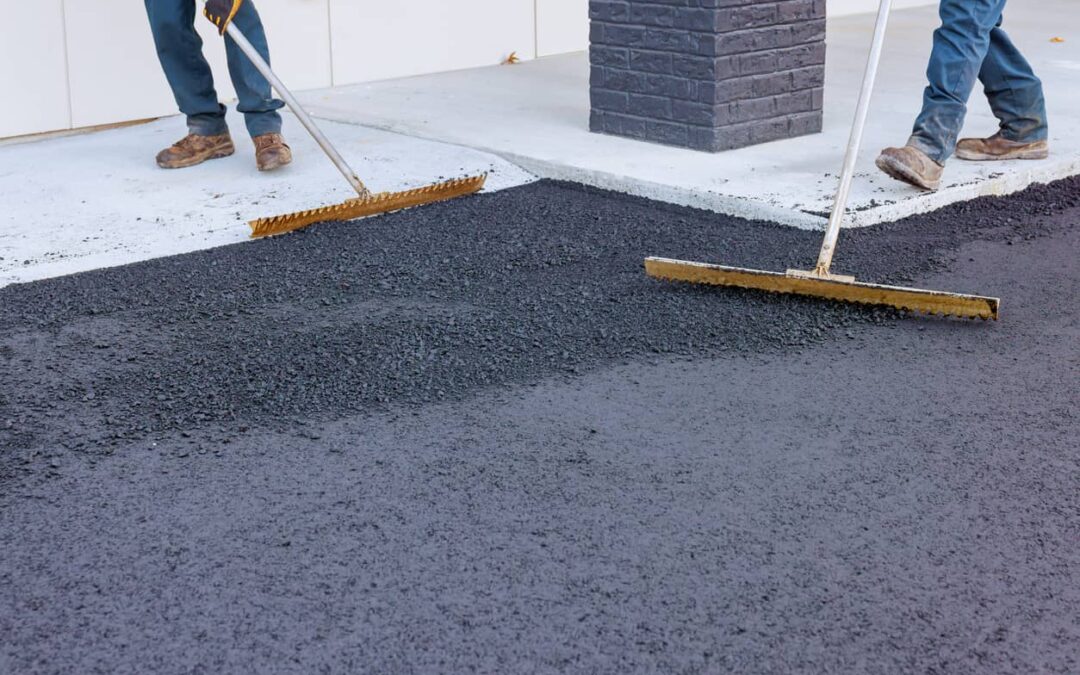
The typical process for a new or replacement driveway includes removing the existing surface, grading and preparing the sub-base, installing and compacting the base material, laying the asphalt surface, and doing a final roll to smooth and compact it. Each step has to be done correctly for the next one to work well.
The sub-base preparation is especially important. It is the foundation that everything else sits on, and soft spots or poor compaction at this stage can lead to cracking and sinking down the road, regardless of how good the asphalt itself is.
Clear the Area Before the Crew Arrives
The single most helpful thing a homeowner can do before paving day is clear the area completely.
Move all vehicles out of the driveway and off nearby areas where equipment will need to maneuver. Remove any items stored along the edges or in front of the garage, including trash bins, bikes, sports equipment, and potted plants. If there are sprinkler heads or other fixtures near the driveway edge, flag them so the crew is aware.
Heavy equipment needs room to work, and any obstacle left in the area can slow the project down or create complications during installation.
Talk Through Drainage Before Work Begins
Before installation starts, it is worth discussing drainage with your contractor. How water moves across and away from the driveway affects both the installation process and the long-term performance of the asphalt.
A properly graded driveway slopes slightly to direct water away from the home and off the edges of the pavement. If your existing driveway has had drainage issues, those should be addressed during the new installation rather than carried over into the new surface.
Understanding why drainage matters for asphalt driveways can help you ask the right questions during the planning conversation with your contractor.
Plan for Limited Access After Installation
New asphalt needs time to set before it can handle vehicle traffic.
In most cases, homeowners should plan to stay off the driveway for at least 24 to 48 hours after installation. During the hottest parts of a Colorado summer, it may take a little longer for the surface to firm up enough to handle turning or parking without leaving marks.
Even after that initial curing period, new asphalt continues to harden over the following weeks. Avoiding sharp turns, parking in the same spot repeatedly, and placing concentrated loads like jack stands or trailer tongues directly on the surface during this period helps the driveway cure without developing impressions.
Consider Timing in Colorado’s Climate
Colorado’s weather adds some considerations that do not apply as much in milder climates.
Asphalt needs warm temperatures to be laid and compacted properly. Cold or wet conditions can affect how the material bonds and compacts. In Colorado Springs and Monument, late spring through early fall generally provides the best conditions for paving, though early spring and late fall can work if temperatures are warm enough and precipitation is not expected.
If you are planning a project, scheduling with the weather in mind is worth discussing with your contractor. Timing a new driveway installation in Colorado Springs involves factoring in temperature, moisture, and how the finished surface will hold up through its first winter.
Notify Neighbors if Needed
Paving projects involve heavy trucks, equipment noise, and the smell of fresh asphalt, which is normal but worth giving neighbors a heads-up about, especially if shared driveways or tight street access are involved.
If the project requires blocking any portion of the street or a shared access point, letting neighbors know in advance prevents confusion and keeps the job running smoothly.
Plan for Sealcoating After the Driveway Cures
A new asphalt driveway should not be sealcoated right away. The asphalt needs time to cure fully, which typically takes several months after installation.
Once that curing period is complete, sealcoating is one of the best ways to protect a new driveway from UV exposure, moisture, and the freeze-thaw cycles that Colorado is known for. Building a regular sealcoating schedule into your maintenance routine from the start can significantly extend how long the new driveway performs well.
What to Expect on Installation Day
| Stage | What Happens |
|---|---|
| Demolition and removal | Existing asphalt or surface is broken up and hauled away |
| Sub-base preparation | Ground is graded, compacted, and checked for soft spots |
| Binder layer | A strong aggregate and oil base layer is installed |
| Surface asphalt | Fresh asphalt is laid and spread to the correct depth |
| Final compaction | A roller truck smooths and firms the entire surface |
| Transitions and edges | Joints where new asphalt meets existing surfaces are finished |
Ready to Start Your Paving Project?
A little preparation goes a long way when it comes to residential paving. Clearing the area, planning for limited access, discussing drainage, and timing the project around Colorado’s weather all help the installation go smoothly and the finished driveway perform well for years.
At E&K Paving, we handle residential driveway paving projects throughout Colorado Springs and Monument. If you are planning a new driveway or replacement, our team can walk you through the process, answer your questions, and make sure the project goes smoothly from start to finish.