
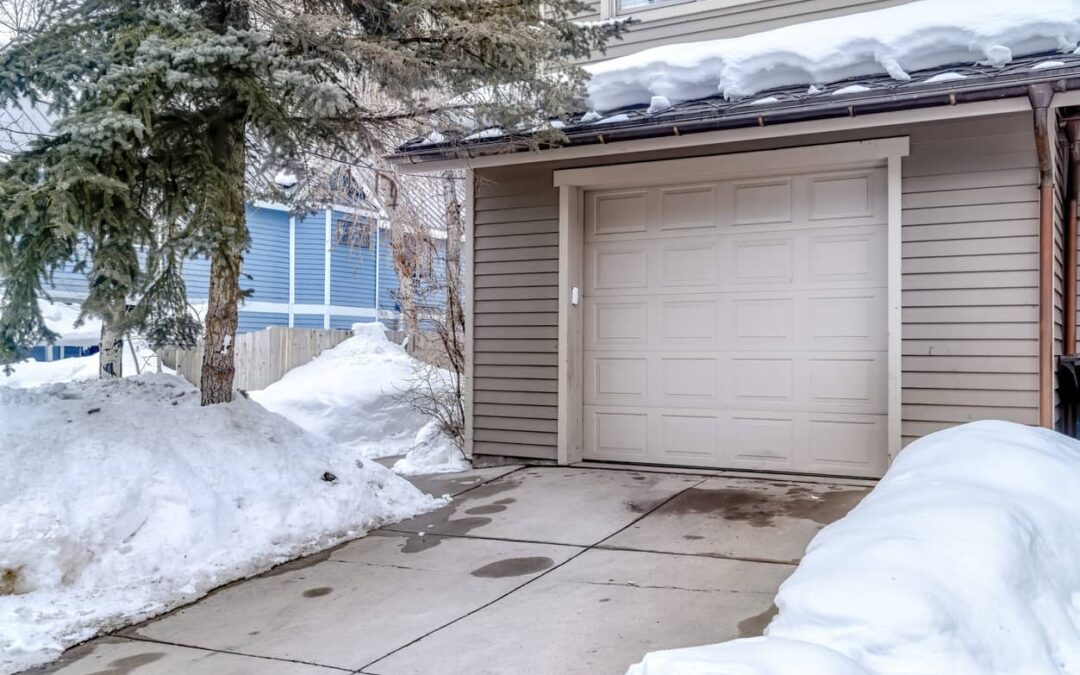
Snow, ice, and repeated freeze-thaw cycles can quietly break down an asphalt driveway over a single Colorado winter. Many homeowners in Colorado Springs and Monument do not realize how much damage accumulates beneath the surface until cracks, potholes, and rough patches start appearing once the weather warms up.
Asphalt is durable, but it is not immune to winter conditions. Moisture, ice, de-icing products, and rapid temperature swings all place ongoing stress on a driveway throughout the season.
Colorado’s high elevation makes this even more pronounced. Intense sun during the day, freezing nights, and frequent snowfall create some of the most demanding conditions an asphalt surface can face.
At E&K Paving, we help homeowners understand how snow and ice affect asphalt so they can catch problems early and protect their driveway investment.
Quick Overview
- Water that seeps into asphalt expands when it freezes, widening cracks from the inside out
- Repeated freeze-thaw cycles are one of the leading causes of winter pavement damage
- Snow plowing and ice removal can chip, scrape, and stress the asphalt surface
- Some de-icing products can be harsher on asphalt edges and surrounding landscaping than others
- Existing cracks and weak spots are usually where winter damage shows up first
- Spring is the best time to assess winter damage and plan repairs
The Freeze-Thaw Cycle and Why It Matters
The freeze-thaw cycle is the single biggest factor behind winter asphalt damage.
Asphalt naturally has tiny pores and small surface cracks, even on relatively new driveways. When snow melts or rain falls, that moisture works its way into these openings. As temperatures drop overnight, the water freezes and expands.
This expansion pushes outward against the surrounding asphalt, widening existing cracks and creating new stress points. When temperatures rise again during the day, the ice melts and the cycle repeats.
In Colorado, this cycle can happen dozens of times throughout a single winter. Colorado Springs and Monument often see temperature swings of 30 to 40 degrees within a 24-hour period, especially during late fall and early spring. Each swing gives moisture another chance to freeze, expand, and stress the pavement.
Over time, this repeated expansion and contraction is one of the main factors that determines how long an asphalt driveway lasts in Colorado, and is what turns small hairline cracks into larger cracks, and eventually into potholes.
How Snow Accumulation Affects Asphalt
Snow sitting on a driveway does more than just create a slippery surface.
As snow melts during the day and refreezes overnight, it creates a layer of ice directly on top of the asphalt. This ice layer can bond tightly to the surface, especially in shaded areas or spots that do not get direct sunlight.
Meltwater from snow also tends to find its way into any existing cracks or seams before refreezing, which feeds directly into the freeze-thaw cycle described above.
Areas of a driveway that consistently hold snow longer than the rest, such as spots near downspouts, shaded sections along a fence line, or low points where snow drifts collect, often show winter damage first.
The Impact of Snow Removal on Asphalt
Clearing snow is necessary, but the methods used can also affect the condition of an asphalt driveway.
Metal shovels, snow blowers with metal augers, and plow blades set too low can scrape and chip the asphalt surface, particularly if the asphalt has softened slightly from sun exposure during a warm afternoon.
Repeated scraping in the same areas, such as along the edges of a driveway or near a garage entrance, can gradually wear down the surface layer and expose the asphalt underneath to more moisture.
Using plastic shovels, setting plow blades slightly higher, and being mindful around driveway edges can help reduce this type of wear over a winter season.
De-Icing Products and Asphalt
Many homeowners reach for salt or other de-icing products to keep driveways safe during icy conditions.
Asphalt generally holds up better against salt than concrete does, since asphalt does not have the same chemical reaction with de-icing salts that can cause concrete to scale or spall. However, that does not mean de-icing products are completely without impact.
Heavy or repeated salt use can still accelerate surface wear over time, especially on a driveway that already has cracks where salt brine can collect and refreeze. Runoff from salted areas can also affect nearby grass, garden beds, and landscaping along the edges of a driveway.
Using de-icing products only as needed, and choosing pet- and plant-safe alternatives where possible, can help limit this impact while still keeping a driveway safe to walk and drive on.
Why Existing Cracks Get Worse Over Winter
A driveway that goes into winter with small cracks rarely comes out the other side looking the same.
Existing cracks act as entry points for moisture. Once water gets into a crack and freezes, the expansion forces the crack wider. As the ice melts, the crack does not close back up to its original size, leaving more room for water to enter the next time it snows or rains. Understanding what causes cracks in asphalt driveways can help homeowners spot these vulnerable spots before winter arrives.
This is why cracks that seemed minor in the fall can turn into noticeably larger cracks, or even small potholes, by the time spring arrives.
Sealing cracks before winter sets in is one of the most effective ways to limit how much moisture can get underneath the surface during freeze-thaw season.
Signs of Winter Damage to Watch For This Spring
As snow melts and temperatures stabilize, it is a good time to walk the driveway and look for signs of winter wear.
| What to Look For | What It May Indicate |
|---|---|
| New or wider cracks | Freeze-thaw expansion from winter moisture |
| Small potholes or crumbling edges | Repeated freeze-thaw cycles on existing weak spots |
| Rough or scraped surface areas | Wear from plowing or shoveling |
| Standing water after snowmelt | Low spots or drainage issues made worse by winter |
| Discoloration near edges | Possible salt or de-icer buildup |
If any of these signs are present, addressing them early in the season can help prevent further deterioration before the next winter arrives. In many cases, a professional can help determine whether the damage calls for a simple patch or a more involved repair, resurfacing, or replacement.
How to Help Protect Asphalt From Winter Damage
Seal Cracks Before Winter
Filling and sealing cracks before the first hard freeze helps keep moisture out and reduces how much the freeze-thaw cycle can affect the pavement.
Apply a Sealcoat
Sealcoating adds a protective layer that helps shield asphalt from moisture penetration, UV exposure, and surface wear throughout the winter months. Knowing how often to sealcoat an asphalt driveway can help homeowners stay ahead of winter damage rather than reacting to it each spring.
Use Snow Removal Tools Carefully
Plastic shovels, careful plow blade height, and avoiding repeated scraping in the same spots can help minimize surface wear over the season.
Manage Drainage Around the Driveway
Directing downspouts and runoff away from the driveway helps reduce how much meltwater collects on or beneath the surface during freeze-thaw cycles.
Inspect the Driveway Each Spring
A spring inspection helps catch winter damage early, when smaller repairs are often still an option. It is also a good time to revisit how asphalt compares to concrete in Colorado conditions if you are weighing long-term options for your driveway.
Protect Your Driveway Through Every Colorado Winter
Snow, ice, and freeze-thaw cycles are a normal part of life in Colorado Springs and Monument, but they can take a real toll on an asphalt driveway over time. Understanding how winter weather affects pavement can help homeowners catch small issues before they turn into larger, more expensive repairs.
At E&K Paving, we provide residential asphalt paving, repair, resurfacing, and seal coating services built for Colorado’s winters. Whether your driveway came through this winter with new cracks or you want to prepare it for the next one, our team can help evaluate the condition of your pavement and recommend the right long-term solution.