
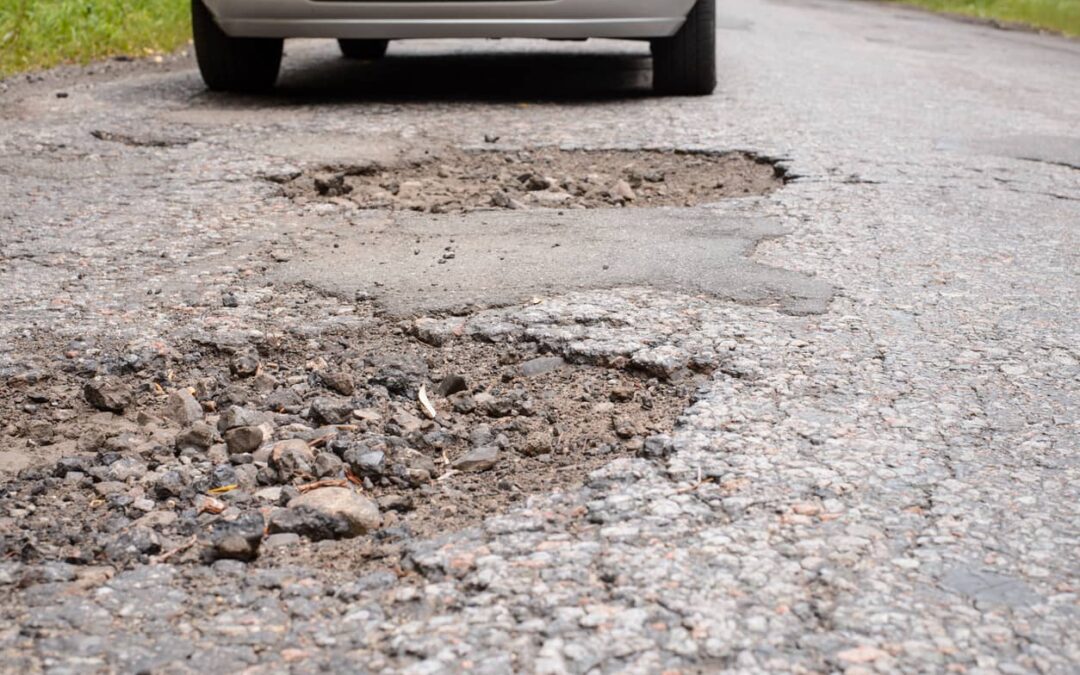
Potholes are one of the most frustrating problems an asphalt driveway can develop. They show up quickly, often after a hard winter, and once they appear, many homeowners want to know one thing: can this be fixed for good, or is it just going to come back?
The honest answer is that it depends. Not all pothole repairs are created equal, and the method used has a big impact on how long the fix actually lasts.
At E&K Paving, we help homeowners throughout Colorado Springs and Monument understand their pothole repair options so they know what to expect from each approach.
Quick Overview
- There are three main pothole repair methods, each with a different expected lifespan
- Quick patches are inexpensive but generally last about a year or less
- More involved repairs address the base underneath the pothole, not just the surface
- A pothole that keeps coming back often points to an underlying drainage or base issue
- The most permanent fix depends on how deep and widespread the damage is
Why Potholes Form in the First Place
Before getting into repair options, it helps to understand why potholes happen.
Potholes typically form when water gets into a crack or weak spot in the asphalt, then freezes and expands. As the ice melts, it leaves a gap underneath the surface. Traffic and weight on top of that weakened spot eventually cause the surface to collapse, creating a pothole.
In Colorado, this process can happen quickly because of how often freeze-thaw cycles occur. A driveway that looked fine in the fall can develop multiple potholes by spring.
This is also why the question of permanence matters so much. If the underlying cause is not addressed, a new pothole can form in the same spot even after a repair.
The Three Main Pothole Repair Methods
Pothole repairs generally fall into three categories, ranging from quick and temporary to more involved and long-lasting.
Surface Patching
Surface patching is the fastest and least expensive option. It involves filling the pothole with asphalt patch material and compacting it.
This type of repair can work well as a short-term fix, especially for getting through a season or buying time before a larger project. However, surface patches generally do not address what caused the pothole in the first place. If the base underneath is still weak or water is still getting in, the patch is likely to fail again within a year or so.
Mill and Patch
Mill and patch repairs go a step further. This method involves removing a layer of asphalt around the damaged area and replacing it with fresh, compacted asphalt.
This creates a smoother, more durable repair than simple surface patching. It works well when the damage is mostly limited to the surface layer and the base underneath is still in reasonably good condition.
The main limitation is that if there are cracks in the layers below the patch, those cracks can sometimes reflect back up through the new asphalt over time, especially after repeated freeze-thaw cycles.
Full Dig-Out and Replacement
A full dig-out is the most thorough pothole repair option. This involves removing all of the damaged asphalt in and around the pothole, regrading and compacting the base material underneath, and then installing new asphalt at the proper depth.
Because this method addresses the base, not just the surface, it tends to be the most durable option. When the underlying cause of the pothole, such as a weak or saturated base, is corrected as part of the repair, the new patch is much less likely to fail in the same spot.
This is generally the closest thing to a permanent fix for an individual pothole, though it is also the most involved and costly of the three options.
| Repair Method | Typical Lifespan | Best For |
|---|---|---|
| Surface Patching | About 1 year or less | Temporary fixes or short-term budgets |
| Mill and Patch | Several years | Surface-level damage with a sound base |
| Full Dig-Out | Long-term | Deep or recurring potholes with base issues |
Why Some Potholes Keep Coming Back
If a pothole has been patched more than once in the same spot, there is usually an underlying reason.
The most common culprits include:
- water continuing to collect in the same area due to drainage problems
- a weak or eroded base that was never corrected during previous repairs
- surface-level patches that did not address sub-surface cracking
- ongoing freeze-thaw stress on an already-weakened section of pavement
In these cases, repeating the same type of quick patch is unlikely to produce a different result. A more thorough repair that addresses drainage or the base material is usually needed to break the cycle.
Is There Such a Thing as a Truly Permanent Repair?
No asphalt repair is permanent in the sense that it will never need attention again. Asphalt is a wearing material, and all pavement eventually requires maintenance.
However, a properly executed full dig-out repair that corrects the underlying base and drainage issues can last for many years without that specific spot failing again. In that sense, it is about as close to permanent as asphalt repair gets.
The key factors that determine how long a pothole repair lasts include:
- whether the repair addressed the base or only the surface
- whether drainage issues contributing to the pothole were corrected
- the quality of the asphalt and compaction used in the repair
- ongoing maintenance, including sealcoating and crack sealing around the repaired area
Choosing the Right Repair for Your Driveway
The right repair method depends on the size, depth, and history of the pothole, as well as the overall condition of the driveway.
A single small pothole on an otherwise healthy driveway might be a good candidate for a mill and patch repair. A driveway with multiple recurring potholes, or potholes that keep reappearing in the same spots, may be a sign that a larger repair or resurfacing is a better long-term investment than repeated patching.
A professional evaluation can help determine which approach makes the most sense for your specific situation and budget.
Pothole Repairs Built to Last in Colorado
Potholes can often be repaired in a way that lasts for years, but the durability of the fix depends heavily on the method used and whether the underlying cause is addressed. Quick patches have their place, but they are rarely the end of the story if drainage or base issues remain.
At E&K Paving, we evaluate potholes throughout Colorado Springs and Monument to determine the right repair approach, whether that is a straightforward patch or a more thorough dig-out repair. Our goal is to help homeowners choose a solution that actually solves the problem, not just covers it up temporarily.