
When people think about what damages an asphalt driveway, cracks and potholes usually come to mind first. But in many cases, the real story starts with something less visible: water that is not draining the way it should.
Drainage is one of the most important factors in how long an asphalt driveway lasts, yet it is also one of the easiest things for homeowners to overlook. A driveway can be installed with quality asphalt and still fail prematurely if water is not being directed away from it properly.
At E&K Paving, we see the effects of poor drainage on driveways throughout Colorado Springs and Monument regularly, and it is one of the first things we look at when evaluating a driveway’s condition.
Quick Overview
- Water that does not drain properly can weaken the base underneath asphalt
- Poor drainage accelerates cracking, potholes, and freeze-thaw damage
- Proper grading and slope are the foundation of good drainage
- Downspouts, landscaping, and surrounding grading all affect how water moves around a driveway
- Drainage issues can often be corrected without replacing the entire driveway
How Water Damages Asphalt
Asphalt is a durable material, but it is not waterproof in the way many people assume.
Over time, asphalt develops small pores and cracks, even on a well-maintained driveway. When water sits on the surface or collects nearby, it has more opportunity to work its way into these openings.
Once water gets beneath the surface, it can:
- weaken the base material that supports the asphalt
- freeze and expand during cold weather, widening cracks from the inside out
- erode soil underneath the pavement, creating voids that lead to sinking or potholes
- contribute to widespread cracking patterns over time
In Colorado, this process is made worse by how often freeze-thaw cycles occur throughout the year. Every time trapped moisture freezes and thaws, it adds more stress to whatever weak points already exist.
Signs a Driveway May Have Drainage Issues
Drainage problems are not always obvious at first glance, but there are some common signs to watch for.
| What You Might Notice | What It Could Mean |
|---|---|
| Puddles that take a long time to drain | Low spots or insufficient slope |
| Water flowing toward the garage or home | Improper grading away from the structure |
| Cracking concentrated in one area | Localized water collection beneath the surface |
| Soft or sunken spots | Erosion of the base material from trapped water |
| Staining or discoloration near edges | Water runoff carrying sediment or de-icer residue |
Any of these signs can be worth a closer look, especially if they show up repeatedly in the same location.
The Role of Grading and Slope
Good drainage starts with how a driveway is graded.
A properly graded driveway has a slight slope, typically around one to two percent, that allows gravity to carry water away from the surface rather than letting it sit or flow toward the home.
When grading is off, even slightly, water can pool in low spots or be directed toward areas where it causes problems, such as near a garage entrance or along an edge where the base is more vulnerable.
Grading issues can sometimes develop over time, even on a driveway that was graded correctly when it was installed. Settling, erosion, and changes to surrounding landscaping can all gradually affect how water moves across the surface.
How Surrounding Landscaping Affects Driveway Drainage
A driveway does not exist in isolation. Water from the surrounding property often ends up on or near the driveway, whether that is intended or not.
Common landscaping-related drainage issues include:
- downspouts that empty directly onto the driveway
- garden beds or mulch areas that are graded toward the pavement
- sprinkler systems that regularly soak the edges of the driveway
- retaining walls or hardscaping that redirect runoff toward the asphalt
Addressing these issues often does not require touching the driveway itself. Redirecting a downspout, adjusting a sprinkler head, or regrading a small section of yard can sometimes make a meaningful difference in how much water reaches the pavement.
Drainage and Existing Cracks
Drainage and cracking are closely connected. Existing cracks give water an easy path into the pavement, and water that collects near cracks accelerates how quickly those cracks grow.
This means that cracks caused by other factors, such as UV exposure or aging, can become significantly worse if drainage issues are also present. The two problems tend to compound each other.
This is part of why addressing drainage is often recommended alongside crack sealing, rather than treating cracks as an isolated issue.
Can Drainage Problems Be Fixed Without Replacing the Driveway?
In many cases, yes.
Depending on the cause, drainage corrections can range from relatively simple to more involved:
- redirecting downspouts or adjusting landscaping grading
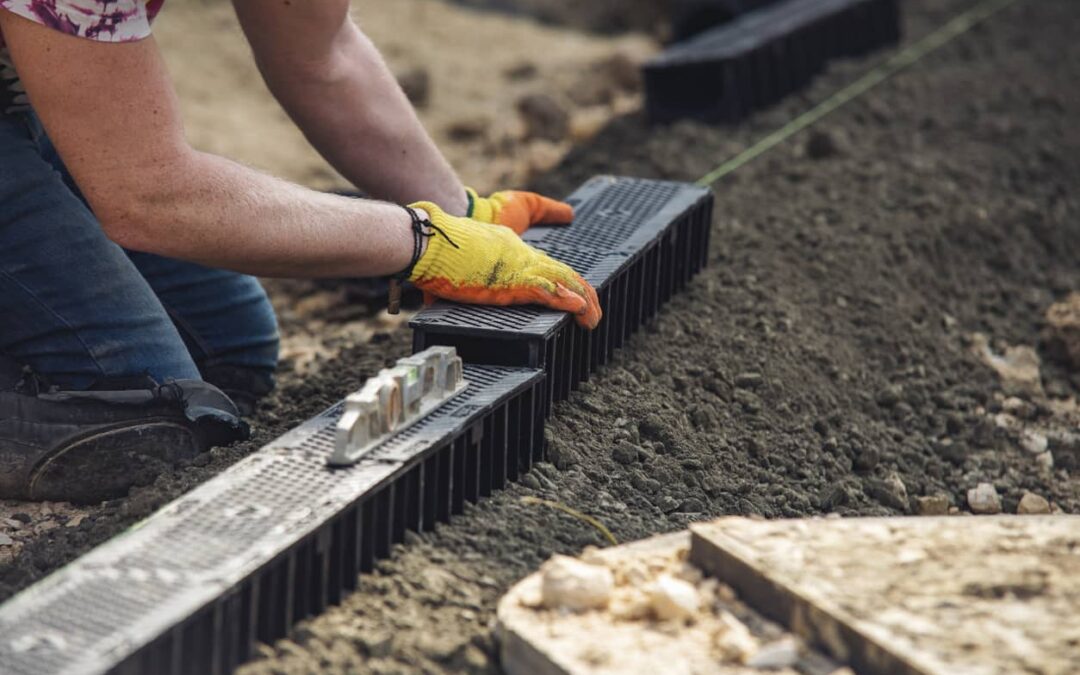
- adding or adjusting drainage channels along the edges of the driveway
- regrading sections of the driveway where slope has changed over time
- repairing or replacing localized areas where water damage is concentrated
Full driveway replacement is sometimes necessary if drainage-related damage has become widespread, but it is rarely the first option. A professional evaluation can help determine whether targeted corrections are enough or whether a larger repair or replacement makes more sense.
Drainage as Part of Routine Maintenance
Because drainage issues can develop gradually, it helps to think of drainage as part of ongoing driveway maintenance rather than a one-time consideration.
A few habits that support good drainage over time include:
Walk the Driveway After Heavy Rain or Snowmelt
Watching where water collects during or right after a storm can reveal drainage patterns that are not obvious on a dry day.
Keep Drainage Paths Clear
Leaves, debris, and sediment can block small drainage channels or low points, causing water to back up where it should be flowing away.
Address Cracks Promptly
Sealing cracks helps limit how much water can enter the pavement, which reduces the impact of any drainage issues that may still be developing.
Include Drainage in Seasonal Inspections
A year-round maintenance routine that includes a look at drainage can help catch small issues before they contribute to larger asphalt damage.
Protecting Your Driveway Starts With Drainage
Asphalt driveways are built to handle a lot, but water that is not properly directed away from the surface can undermine even a well-built driveway over time. Understanding how drainage affects asphalt can help homeowners spot problems early and avoid more serious damage down the road.
At E&K Paving, we evaluate drainage as part of every driveway assessment throughout Colorado Springs and Monument. Whether you are dealing with standing water, recurring cracks, or simply want to understand how your driveway is holding up, our team can help identify the right solution for your property.